Editing
Flambient vs HDR: which method for real estate interiors
Flambient and HDR both solve the window-and-shadow problem. How each works, what it costs you on site and in the edit, and when to pick which.
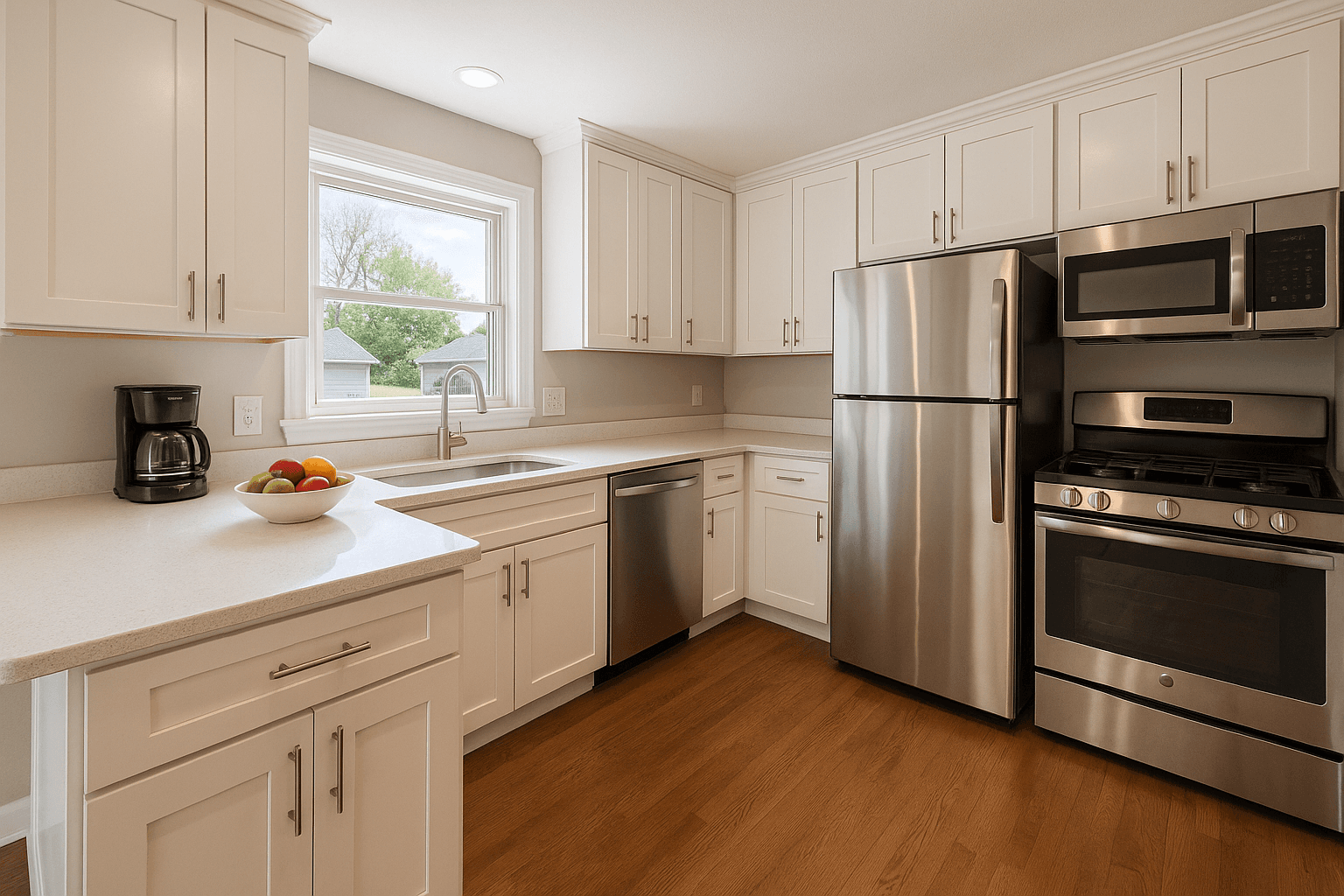
Flambient and HDR are two answers to the same problem: a real estate interior has more range than a camera can hold in one exposure. HDR solves it with several ambient exposures blended together. Flambient solves it with one flash exposure and one ambient exposure, layered by hand. HDR is faster on site and easier to hand off; flambient gives you more control over colour and costs more time in the edit.
Neither is better in every room. Here is how to choose.
How HDR works
You put the camera on a tripod and shoot the same composition at several exposures, typically three to five, from dark enough to hold the window to bright enough to open the shadows. The brackets are merged so each part of the frame comes from the exposure that captured it best.
Everything happens with the light already in the room. There is no flash to set up and nothing to move between frames, which keeps you fast on site and keeps the look natural. The trade-off is colour: mixed light sources stay mixed, so a room lit by warm bulbs and cool daylight needs careful white-balance work after the merge.
How flambient works
Flambient (flash plus ambient) uses at least two frames. One is lit by flash, usually bounced off the ceiling or a wall, which gives clean, neutral colour across the room. The other is an ambient exposure that carries the mood of the room's own light. Many photographers add a separate window exposure as well.
In the edit, the frames are layered and masked: the flash frame's colour, the ambient frame's atmosphere, the window frame's view. Done well, flambient produces the cleanest whites in real estate photography. Done by hand, it is also the slowest method to edit, and the result depends heavily on the editor.
The trade-offs side by side
The practical differences come down to time, gear and how much of the edit you can hand off.
- On site: HDR needs a tripod and a bracketing camera; flambient adds a flash and the time to place it in every room
- Colour: flambient neutralises mixed light by design; HDR keeps the room's own light and corrects it afterwards
- Editing: HDR merges are consistent and easy to automate; flambient layering is manual work, frame by frame
- Look: HDR reads as natural ambient light; flambient reads crisp and bright, sometimes flatter
- Handoff: an HDR set is a uniform input any merge can process; a flambient set depends on how each room was lit
When to choose HDR
Choose HDR when volume and consistency matter most: several listings a day, a team of photographers who need one look, or a client base that wants the same style on every shoot. It is also the better fit for rooms with good natural light, where flash would flatten what makes the room attractive.
When to choose flambient
Choose flambient for rooms where colour is the problem: dark wood, strong colour casts from walls or floors, or a mix of bulbs that no white balance can reconcile. It is also common at the luxury end, where the client is paying for the extra edit time and expects perfectly neutral whites.
Many photographers use both: HDR for most of the house, flash for the one or two rooms that need it.
Where Better Listing Media fits
Our HDR Merge works from bracketed ambient exposures. Upload the brackets, and the Service groups them by EXIF data, merges them, and corrects colour, verticals and sharpening in one pass, with fireplace lighting, sky replacement, screen replacement and photographer and camera removal applied automatically. It does not layer flash frames, so if flambient is your method, keep the flash frames for your own edit.
Whatever the method, the photographer approves every image before it is delivered. You review the merge, adjust what needs it in Studio, and deliver from the same workspace.
This guide goes with HDR Merge.