Photography
How many photos for a real estate listing: a sizing guide
How many photos a listing needs by home size and price band, what agents really use, why MLS limits vary by board, and how to order the gallery.
Ask three photographers how many photos a real estate listing needs and you will get three numbers. The honest answer is a range that depends on the size of the home, its price band, what the agent will do with the gallery, and what the local MLS accepts. This guide gives you the ranges that hold up in practice, and a method for reaching the right count for any property instead of guessing.
One thing is not in doubt: the photos matter. In NAR's 2026 Home Buyers and Sellers Generational Trends report, 81% of recent buyers who searched online rated listing photos very useful, the highest of any website feature. The question is not whether to invest in the gallery. It is how much gallery the property needs.
The short answer, by property size
Count rooms, not square feet. A buyer wants to see every room that would appear on a floor plan, two angles for the main living spaces and one for secondary rooms, plus the exterior from several sides. Work that out and the ranges fall out naturally.
- Condos and small apartments: one angle per room, two for the main living area, plus the building exterior and any shared amenity worth showing. Expect the low end of the range.
- Two or three bedroom single-family homes: the full shot list in our 25-frame guide covers these comfortably. Plan on the low to mid twenties and let the property earn more.
- Four bedrooms and up: every additional bedroom, bathroom and bonus room adds a frame or two. Plan on thirty to forty frames, and do not treat that as padding.
- Estates, acreage and homes with outbuildings: the count climbs because there is more to show, not because the price is higher. Aerials and a twilight exterior earn a place.
Price band changes what the gallery is for
Size sets the floor. Price sets the ceiling, and it changes the job the photos are doing. In an entry-level listing, the gallery confirms the home is clean, bright and as described. Keep it tight: a gallery with no weak frames beats a long one with filler.
In the upper bands, the gallery is doing persuasion as well as confirmation, so give the buyer a reason to linger. That is where detail shots of finishes, a twilight exterior and an aerial frame pay for themselves, and where the count can run higher without feeling padded. The mistake at the top of the market is not too many photos. It is inconsistent photos, because a luxury buyer notices when the kitchen was processed one way and the primary suite another.
The rule underneath all of this: every frame should answer a question a buyer would otherwise have to book a showing to answer. If a frame does not do that, cut it.
What agents actually use
Our recommendation: lead with your strongest six to eight frames. Those are the ones that end up as the portal thumbnail, the social post, the brochure cover and the email blast. Everything after that is the walk-through, read in order by the buyers who are seriously interested.
So build the gallery two ways at once. The lead frames need to be the strongest work in the set, chosen for impact. The rest need to be complete and logical, chosen for coverage. Forty frames of equal weight hand the agent a sorting job. A strong lead and a clean walk-through hand them a listing that is ready to post. A shorter gallery with no duds beats a longer one with repeats.
MLS photo limits vary by board
Every multiple listing service sets its own maximum photo count, minimum dimensions and rules about what a photo may contain, and they differ from one board to the next. Some boards also have rules on virtually staged images, text overlays and watermarks. We are not going to print a limit here because it would be wrong for most readers on the day it was published.
Instead, ask the agent for the limit on the board the listing will post to, before the shoot. If the limit is lower than your shot list, shoot everything anyway and deliver two sets: the full gallery for the agent's own marketing, and a trimmed set that fits the board. If the board requires virtually staged images to be labeled, deliver the unstaged original alongside every staged frame so the agent can comply without a second request.
Use the shot list, then count
The reliable way to arrive at a number is to stop thinking about the number. Walk the property with a shot list, decide which frames it earns, and the count is the length of the list. Our room-by-room shot list covers a typical home in about 25 frames and scales with the property.
A practical version of the walk-through:
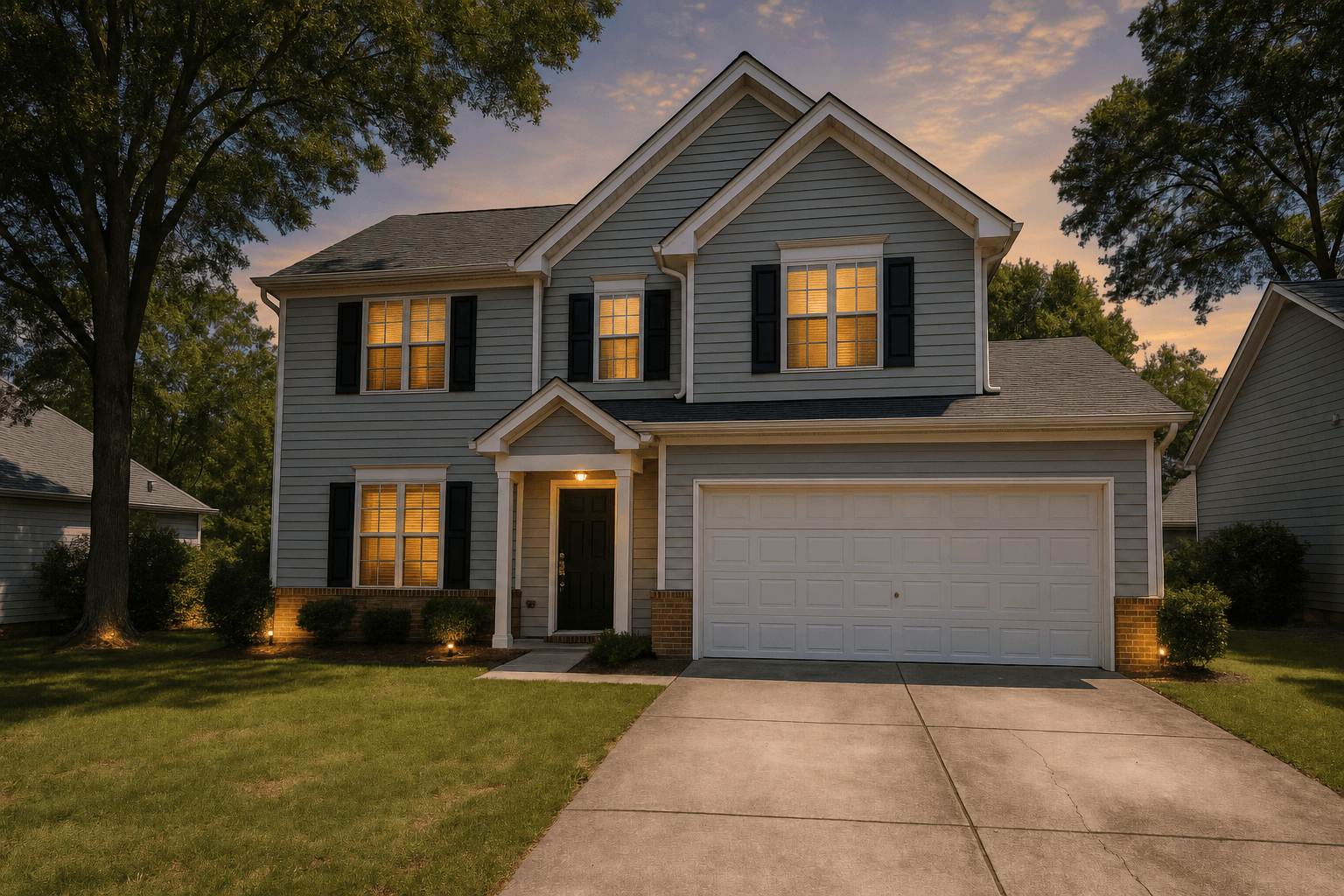
- Exterior first: the front corner angle, the straight-on, the backyard in both directions, and the street or setting if it sells the home.
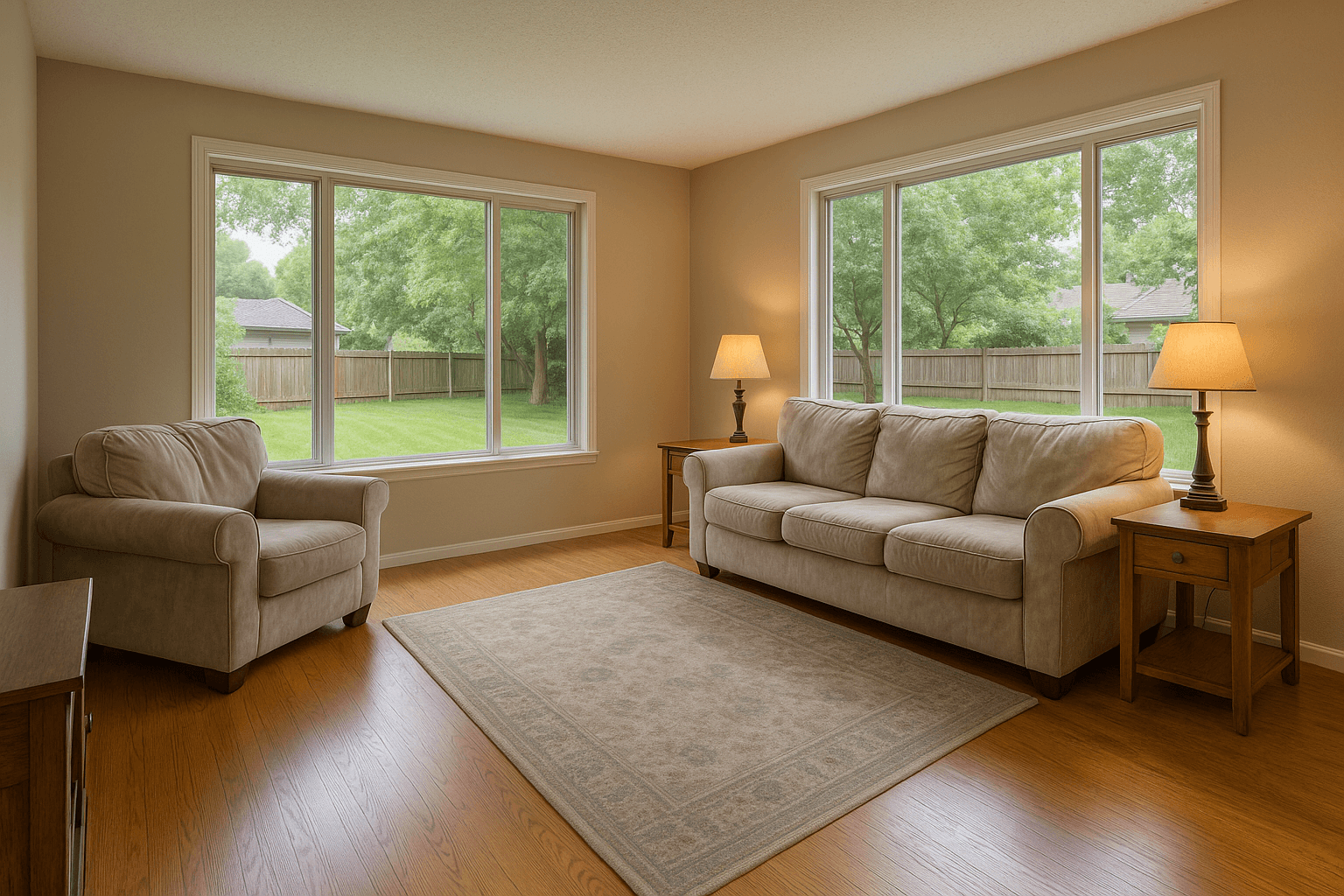
- Main living spaces: two angles per room, with at least one connection shot that shows how the rooms link.
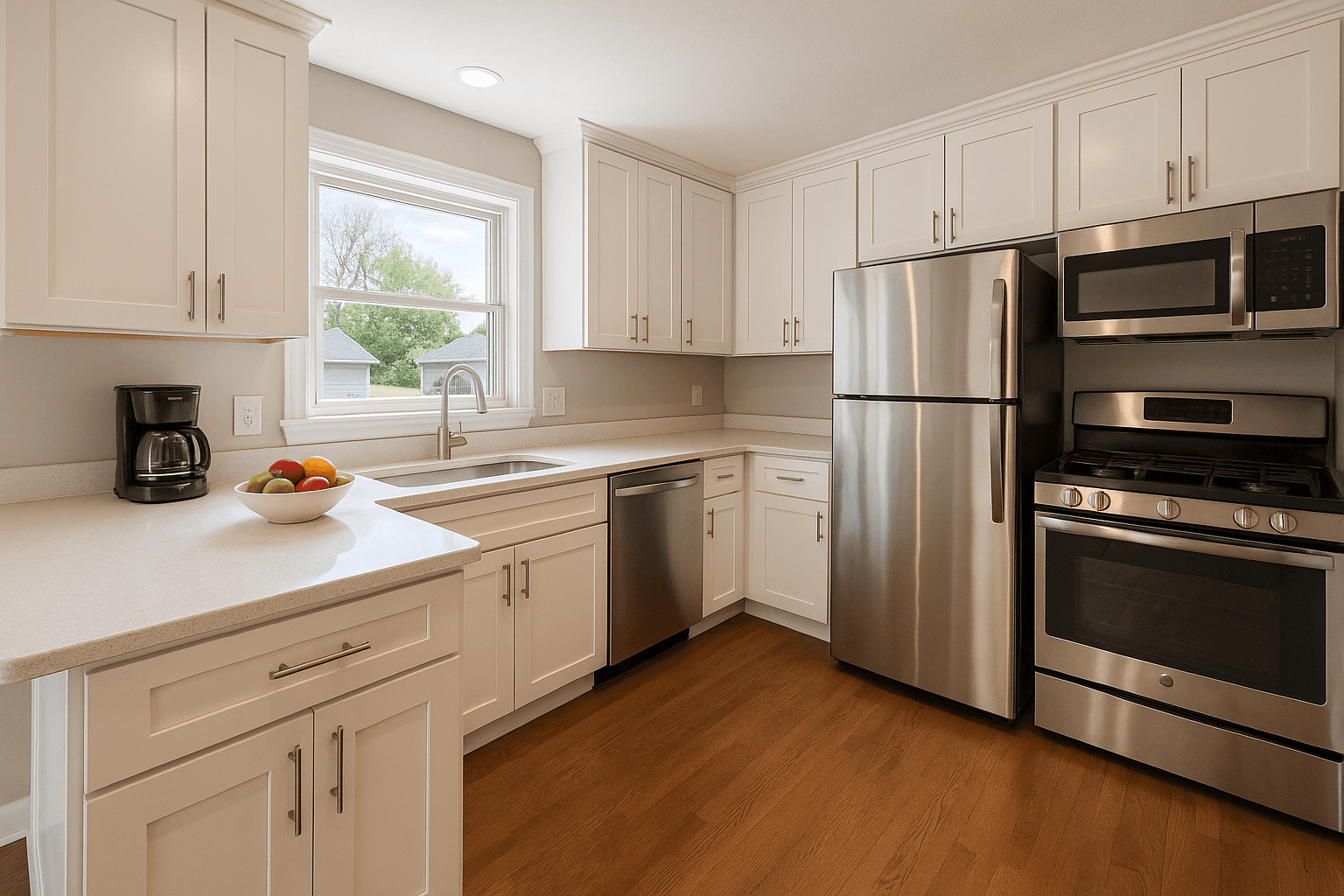
- Kitchen: two wides from opposite corners, one straight-on, and one detail if there is something worth detailing.
- Primary suite: two angles of the bedroom, with the bath split into vanity and shower if it is a feature.
- Secondary bedrooms and baths: one frame each.
- The extras the property earns: finished garage, laundry, office, outdoor living, a twilight exterior, an aerial if there is land.
Shoot brackets, then merge
Add the list up and you have your count. Then shoot brackets for every interior frame, so each one merges into a bright, true-color final instead of a single exposure with a blown window. In Studio, HDR Merge is ordered per group of brackets, so a 25-frame gallery is 25 groups whatever the exposure count in each, and a single exposure counts as its own group.
Ordering the gallery
The right number of photos in the wrong order wastes half of them. Buyers read a gallery like a walk through the house, and the first frame decides whether they walk at all.
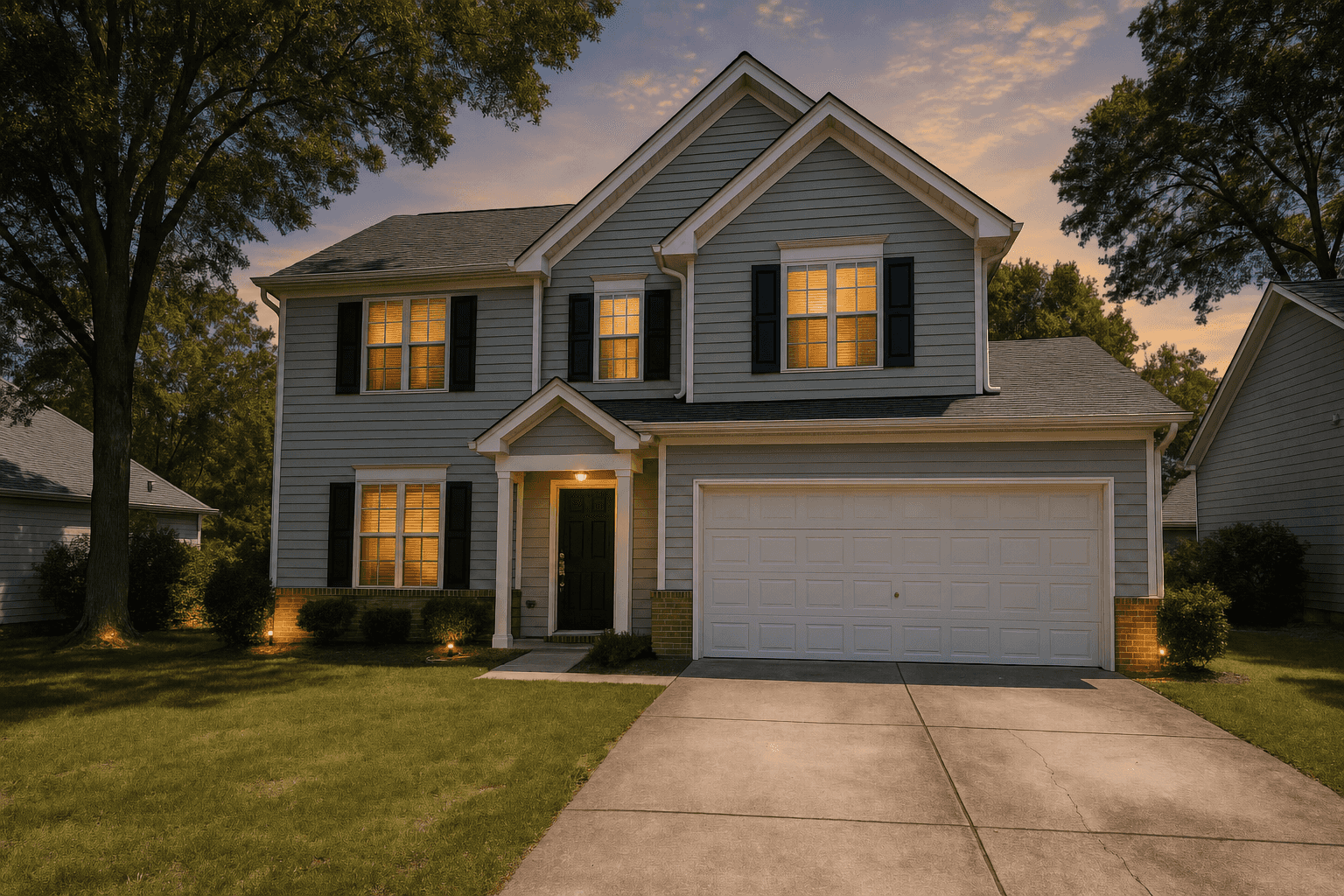
The order that holds up: hero exterior, main living space, kitchen, primary suite, remaining bedrooms and baths, yard and outdoor living, with the twilight exterior last as the closing frame. Connection shots go between the rooms they connect. Details sit right after the wide of their room, never grouped at the end.
In Studio, that order is set at import. Each group of brackets is a card; drag the cards into the sequence you want, and the finished photos, the delivery cover and the client's gallery all follow it. You decide the order once, while the shoot is fresh, instead of renaming files afterwards.
Deliver the gallery as a gallery
The count and the order only reach the buyer if they survive the handoff. A folder of files loses its order the moment someone sorts it by name. A Better Listing Media delivery portal keeps it: the lead photo becomes the cover, the full-resolution gallery reads in the sequence you set, and the agent downloads what you allow, at your own domain or gallery slug rather than a file-transfer link.
According to the same NAR report, 52% of buyers found the home they bought on the internet. For most people who will ever look at the listing, the gallery is the showing. Treat its length, its order and its handoff as one decision.
A quick decision guide
There is no magic number. There is a property, a shot list and a buyer who wants to understand the home before deciding whether to visit. Give them enough frames to do that, in the order they would walk it, and the count takes care of itself. Until the walk-through, start here.
- Small condo, entry price: a tight gallery, every frame strong, one angle per room.
- Typical family home: the full shot list, two angles for living spaces, and the kitchen gets the most frames.
- Large or high-value home: the shot list plus details, a twilight exterior and an aerial, with one consistent edit across the whole set.
- Any listing: confirm the MLS limit with the agent before the shoot, and lead with your six strongest frames.
Sources
- 81% of recent buyers who searched online rated listing photos “very useful”, the highest of any website feature. NAR, Home Buyers and Sellers Generational Trends, 2026
- 52% of buyers found the home they bought on the internet. NAR, Home Buyers and Sellers Generational Trends, 2026