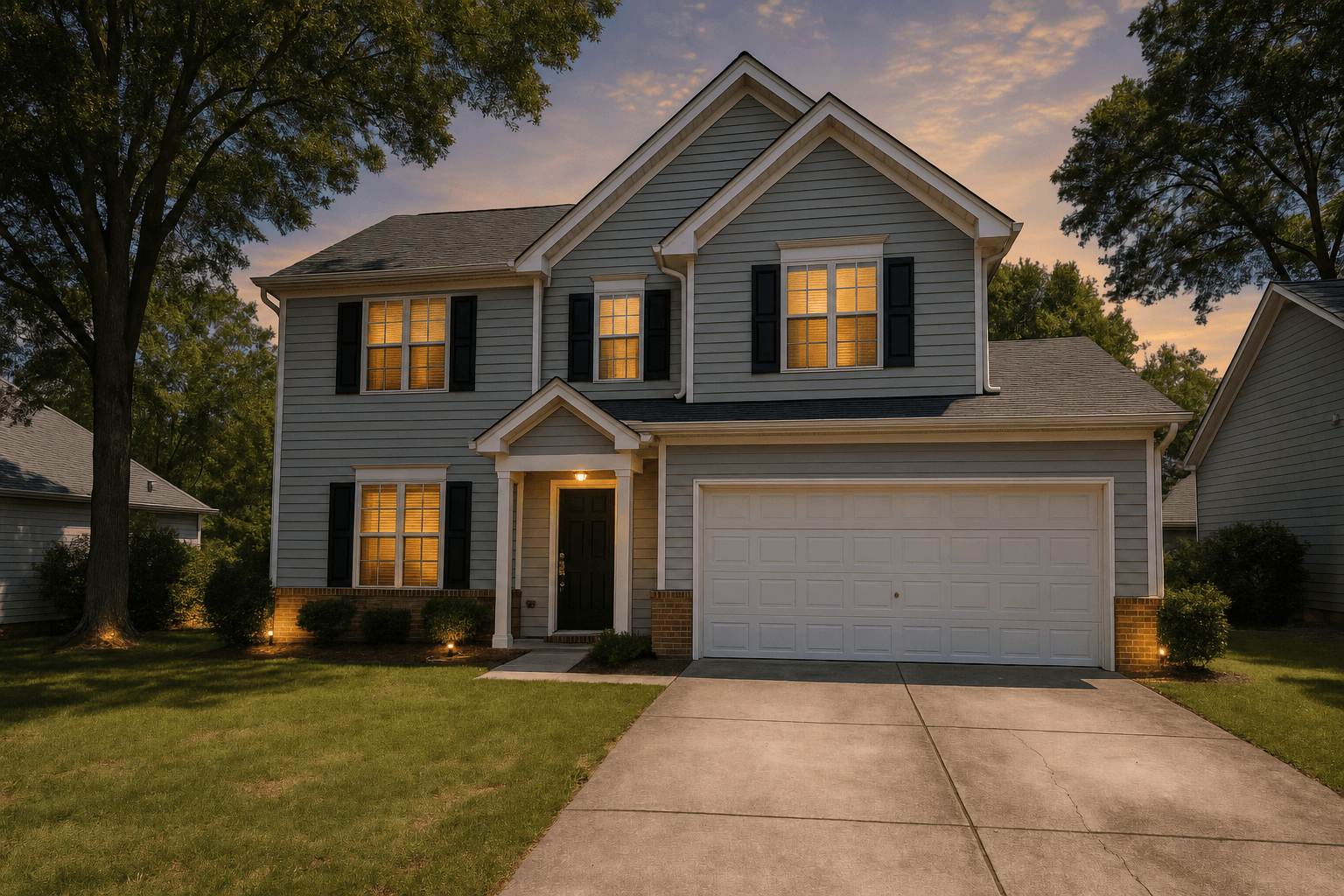
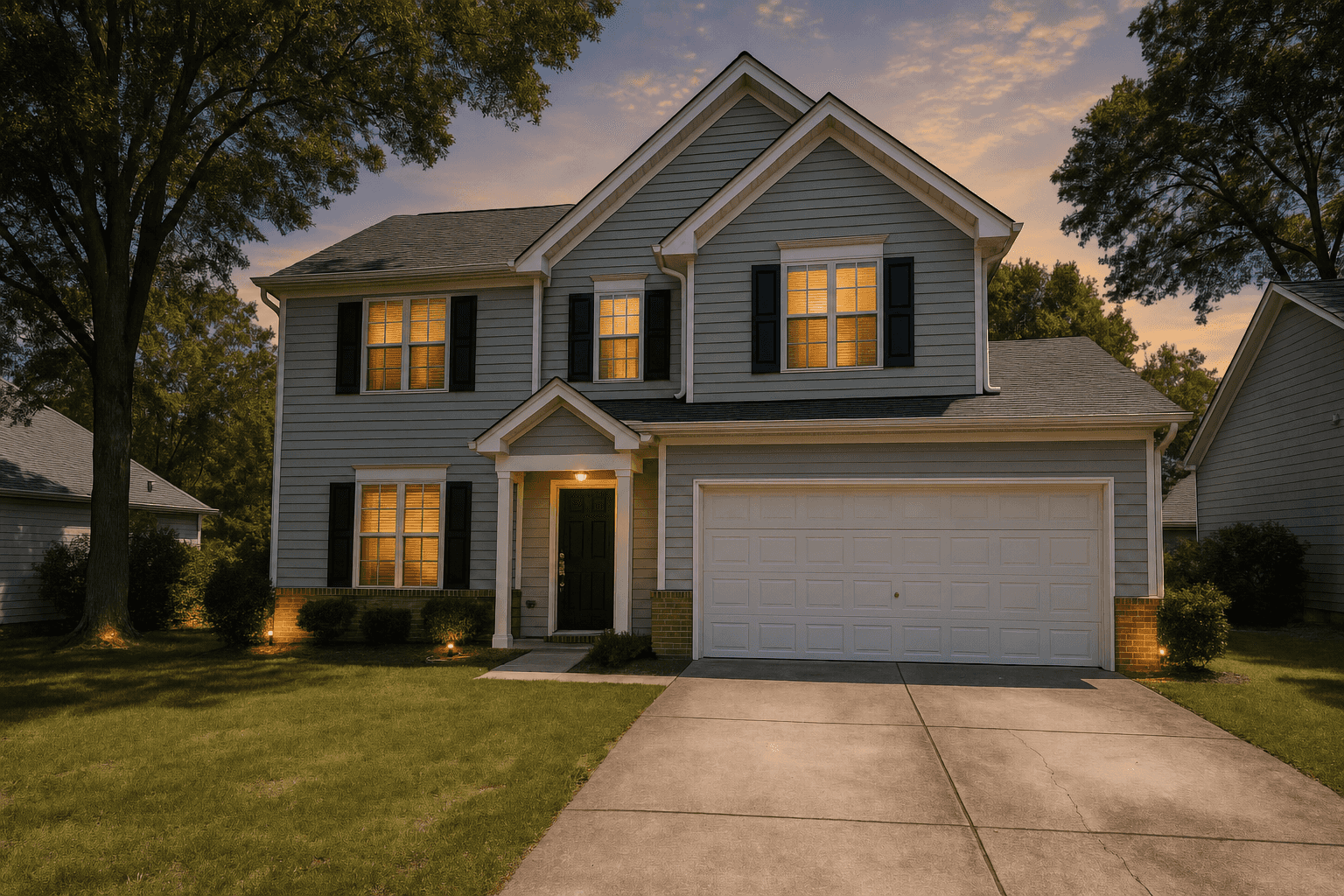
Photography
Best time of day for real estate photography: a shoot plan
The best time for real estate photos depends on which way the house faces. How to time exteriors, interiors and twilight, plus fallbacks for bad weather.
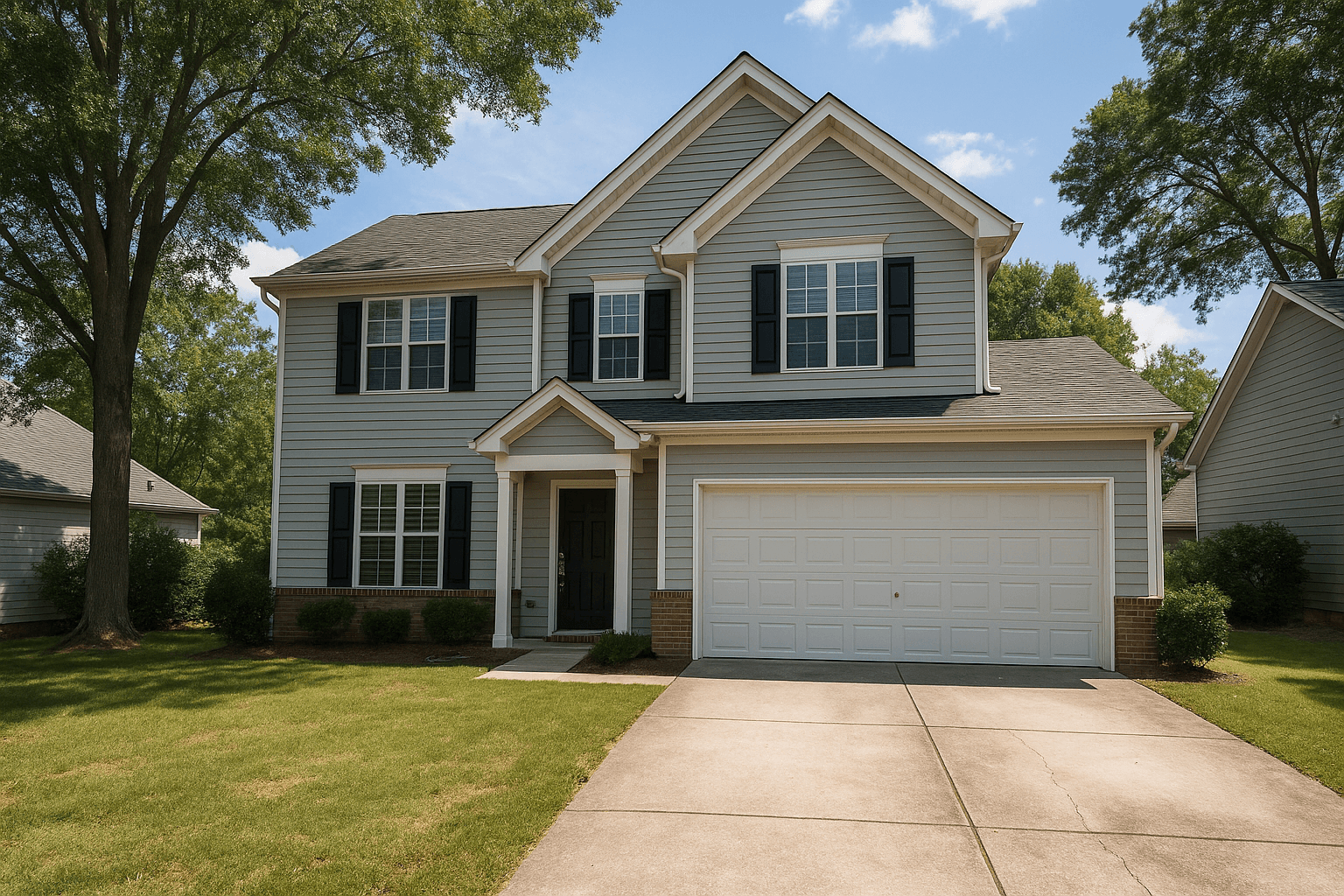
Ask ten photographers for the best time of day for real estate photography and most will say golden hour. That is the right answer for the houses that happen to face the right way. The rest face the wrong way, and for them golden hour puts the facade in shadow while the back fence glows.
The honest answer is that the best time depends on three things: which way the house faces, where the main windows are, and whether the listing budget includes a twilight frame. It is worth the planning: in NAR's Home Buyers and Sellers Generational Trends report (2026), 81% of recent buyers who searched online rated listing photos “very useful”, the highest of any website feature.
Exteriors: read the facade before you book
The front of the house is the hero frame, and the hero frame wants direct, low light on the facade. Low light means the sun is near the horizon, which is the first hour after sunrise or the last hour or so before sunset. Which of those two you want is decided entirely by orientation.
Open a map, find the street, and note which compass direction the front door faces. Then book by this table:
- East-facing front: shoot the exterior in the morning. The sun is on the facade from sunrise until late morning, and the morning golden hour is the sweet spot.
- West-facing front: shoot the exterior in the late afternoon. Evening golden hour lands warm light directly on the front.
- South-facing front (in the northern hemisphere): the most forgiving. The facade is lit for most of the day, so either golden hour works and midday is acceptable in a pinch.
- North-facing front: no direct sun for most of the year. Shoot in bright overcast or open shade, or shoot early or late when the sky behind the house still has color and the facade light is even rather than harsh.
Sun position changes with the season
Orientation is only half of the exterior equation. The sun's path moves through the year, and that changes both the angle and the length of the shadows. In winter the sun stays low all day, which means long shadows from trees and neighboring houses even at noon, but also a longer stretch of warm, raking light. In summer the sun climbs high, flattens the facade at midday, and compresses golden hour into a short window near the end of a long day.
The practical consequence: a house you shot beautifully at 4pm in October will not look the same at 4pm in June. Check the actual sunset time for the shoot date, and in summer push exterior frames to the edges of the day and use the middle for interiors.
Interiors: window light, not the clock
Interiors are usually scheduled around the exteriors, and that is fine, but they have their own best time. What matters inside is the light coming through the windows. You want it bright and even, not a hard beam of direct sun painting a hot rectangle across the floor and the sofa.
So the best time for a room is when the sun is not shining straight into its main window. A living room with big west windows photographs cleanly in the morning and fights you at 5pm. A kitchen with an east window is the opposite. When you walk the house, note which rooms get direct sun and when, and sequence the rooms so you are always shooting away from the sun side.
Bright overcast is quietly the best interior light there is: soft, even, and the same in every room. The window view still needs exposure brackets to hold, which is what an HDR merge is for.
- Every light on, every blind open, before the first frame
- Shoot the rooms whose windows face the sun last, or when the sun has moved off them
- Bracket every interior so the window view survives the merge
- Keep one consistent white balance across the set; mixed bulbs are the usual culprit
Twilight timing
A twilight exterior is timed to the minute. The working window is 25 minutes either side of sunset, the same window the golden hour calculator marks. The strongest frames usually land in the second half of that window, after the sun is down, when the sky still holds color but is dark enough for the interior lights to read as a glow instead of a reflection.
That window does not wait. Have every interior light on, every exterior and landscape light on, cars moved and the camera on the tripod before sunset, then shoot continuously as the sky darkens and pick the frame where the balance is right. The cost is a second trip or a long day, and the weather gets a vote. Whether to shoot it for real or convert a daytime frame is its own decision, covered in our piece on real versus virtual twilight.
A shoot order that uses the whole day
Putting it together, here is how an experienced listing photographer plans a single-visit shoot for a west-facing house in autumn:
- Arrive about two hours before sunset. Walk the house, turn on lights, open blinds, confirm the seller has done the prep list.
- Shoot the interiors first, saving the west-facing rooms until the sun has dropped off their windows.
- Shoot the backyard and side elevations next, while the front is still in flat light.
- Move to the front elevation when golden hour opens, 75 minutes before sunset, and work the corner angle and straight-on frames while the facade is lit.
- Reset for twilight: all lights on, tripod set, and shoot through the window around sunset.
When the day is wrong
Sometimes the listing goes live Friday, the only available slot is Thursday at noon, and it is raining. That is where editing earns its place, as long as nothing structural about the property changes.
In Studio, the HDR Merge Service is the baseline edit for every photo and includes sky and lighting balance along with the window pulls, so a flat grey exterior comes back balanced before anything else is touched. For a sky that needs replacing, the desktop Studio has a Sky tool that swaps only the visible sky, with Clear Blue, Light Clouds, Soft Overcast and Dramatic Clouds options, and a Weather tool whose Clear Weather function takes an exterior shot in gloomy conditions into clear ones while leaving the house and landscaping as they are.
If the twilight window was missed or never scheduled, the Virtual Twilight Service converts a well-lit daytime exterior into a dusk frame. You pick one look for each photo, from Warm Sunset, Deep Blue Hour, Luxury Twilight, Bright Marketing or Subtle Dusk, and the windows are lit from inside rather than painted on top. The photographer reviews and approves every image before it is delivered, and a converted twilight should be disclosed the way any scene-altering edit is.
None of this replaces a clean source frame: a straight, well-exposed daytime exterior converts well, and a crooked one converts into a crooked twilight.
Use the golden hour calculator
All of the timing above comes down to one number: sunset on the shoot date at the property's location. Our free golden hour calculator at /resources/golden-hour-calculator does the arithmetic. Here is how to use it:
- Enter the city, or use your location if you are standing at the property.
- Pick the shoot date. The calculator computes sunrise, sunset, first and last light and solar noon for that exact day.
- Read the three windows it marks: morning golden hour (the first hour after sunrise), evening golden hour (75 to 15 minutes before sunset) and the twilight window (25 minutes either side of sunset).
- Export the window as a calendar entry so it is on your phone on shoot day, not in a closed browser tab.
- Match the window to the facade: east-facing front, book the morning window; west-facing, book the evening one.
The rule that holds
If you remember one thing: light the facade, not the clock. Find which way the house faces, book the golden hour that lands on the front, shoot interiors when the sun is off their windows, and treat twilight as a 50-minute appointment centered on sunset. When the weather or the schedule refuses, an HDR merge, a sky swap or a virtual twilight gets the gallery there, and the set still ships on time.
Sources
- 81% of recent buyers who searched online rated listing photos “very useful”, the highest of any website feature. NAR, Home Buyers and Sellers Generational Trends, 2026